Activism
The world we live in is undergoing radical change. Profound transformations have already begun. This breathtaking situation forces me, Mathilde, to rethink my way of being in the world—and the urge to act, both personally and politically, grows stronger every day.
From February 2022 on, I have been committed to the Letzte Generation movement, demanding systemic change and working to limit global warming to +2°C. The Paris Agreement sets clear standards, and the UN repeatedly emphasizes how crucial immediate action is for our survival. According to António Guterres, inaction would be "a crime against humanity."
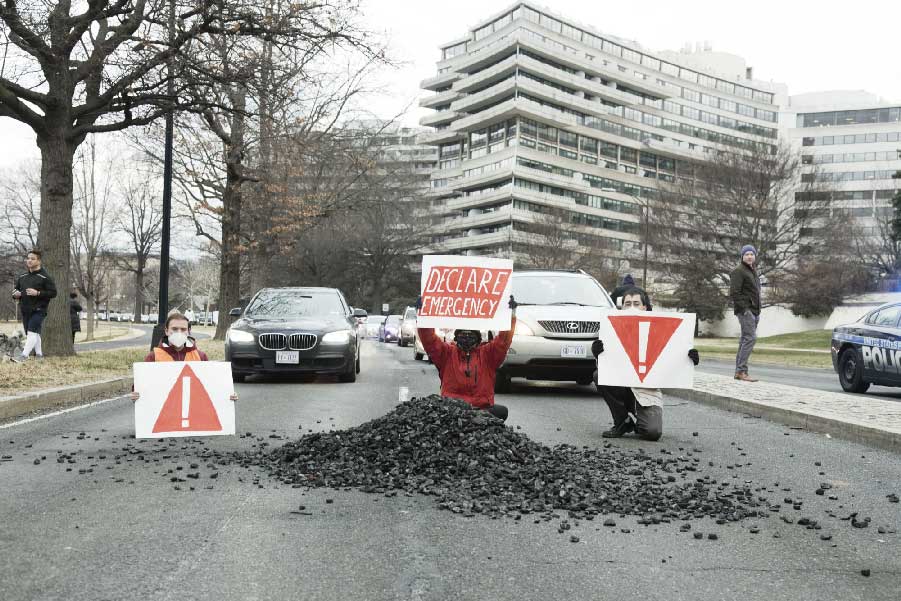
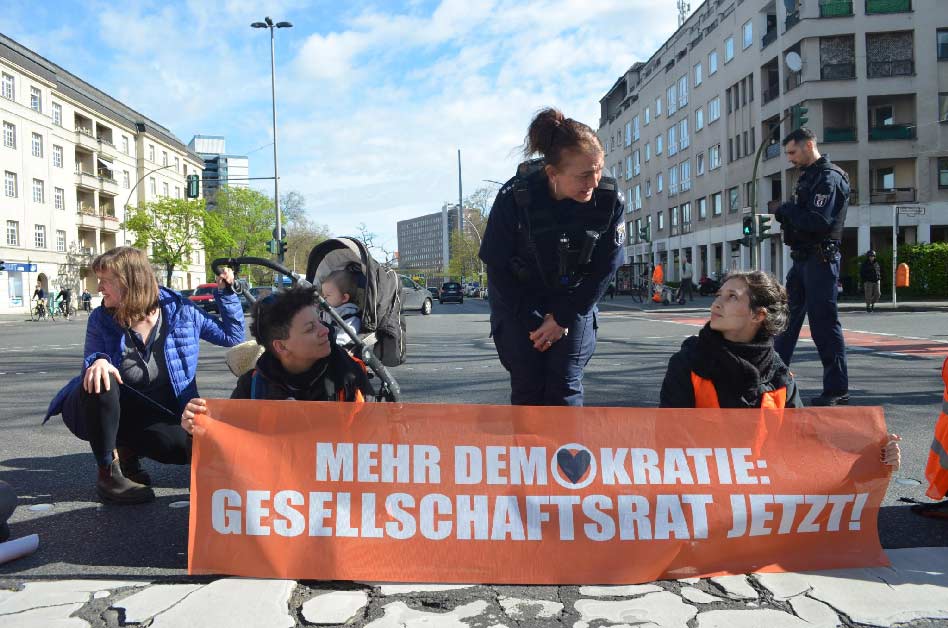
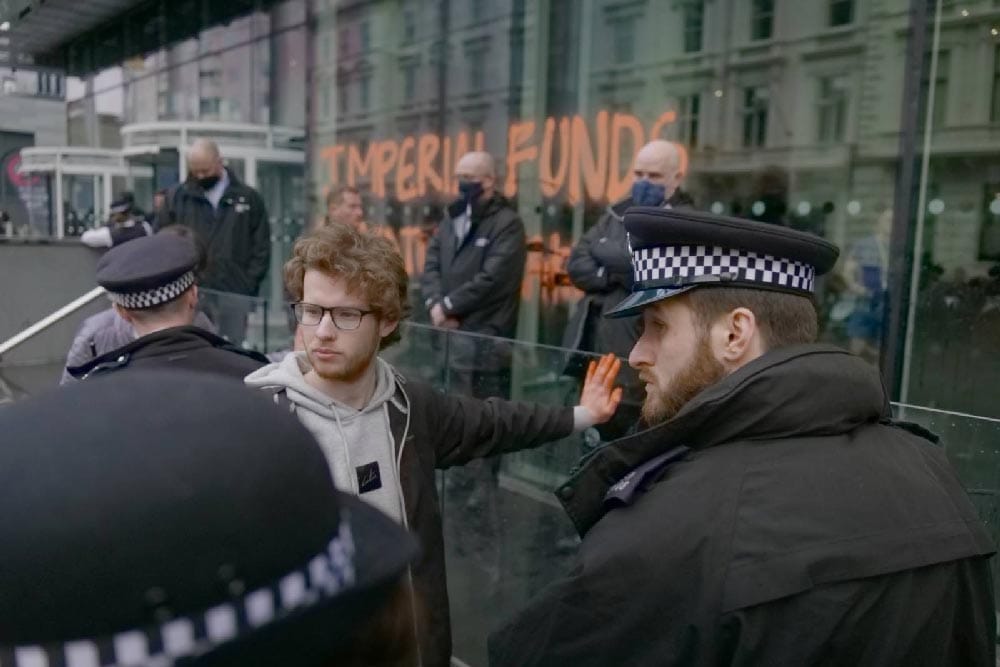
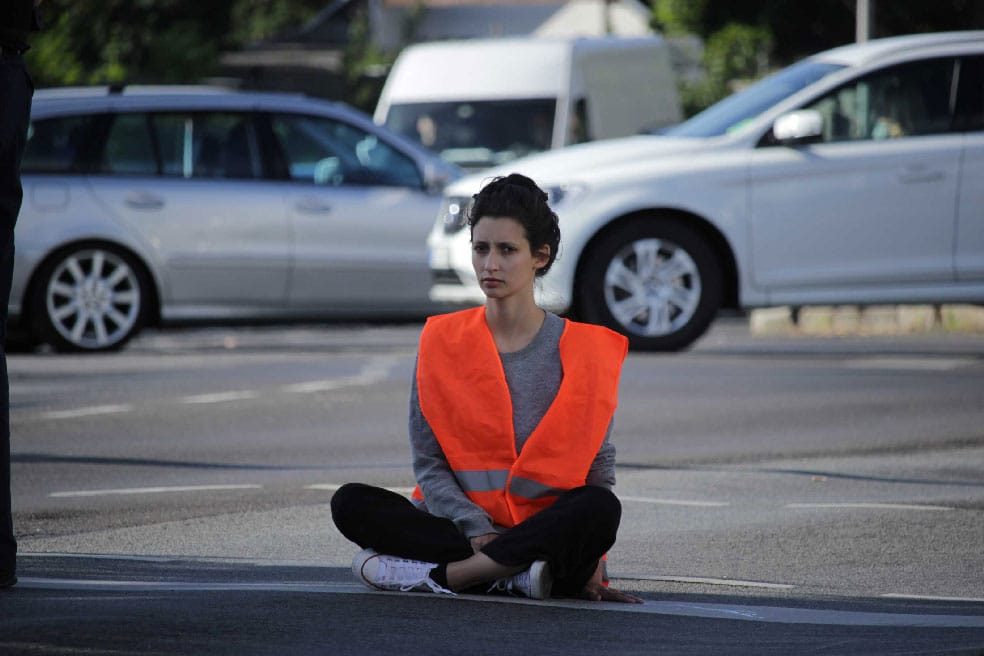
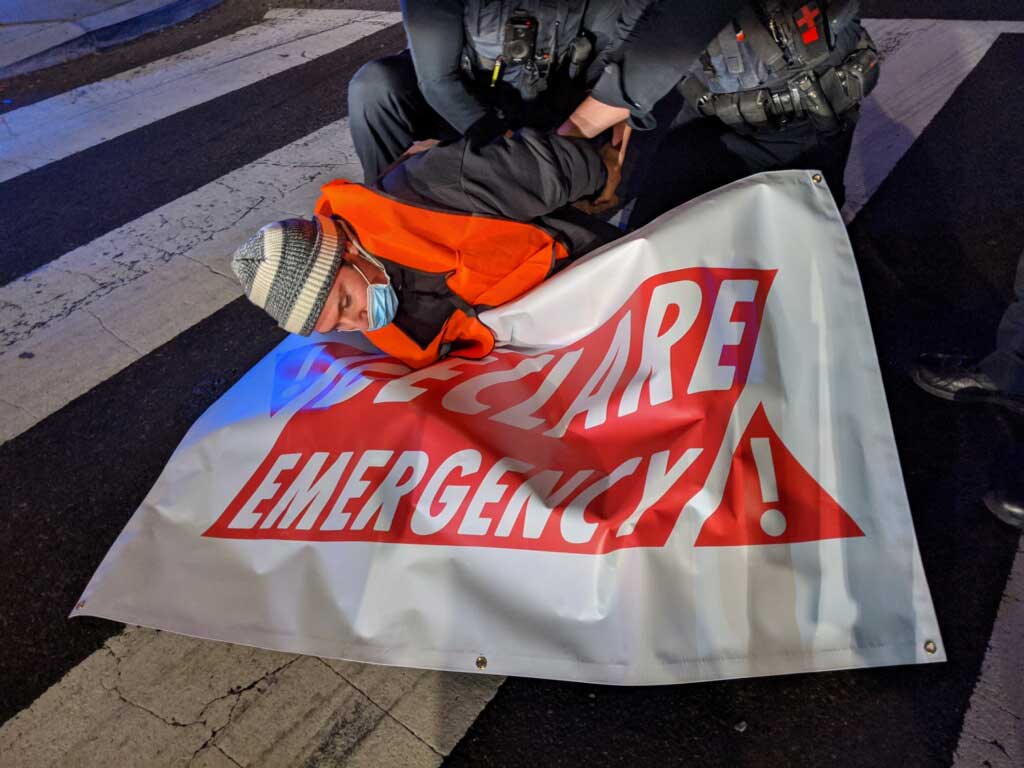
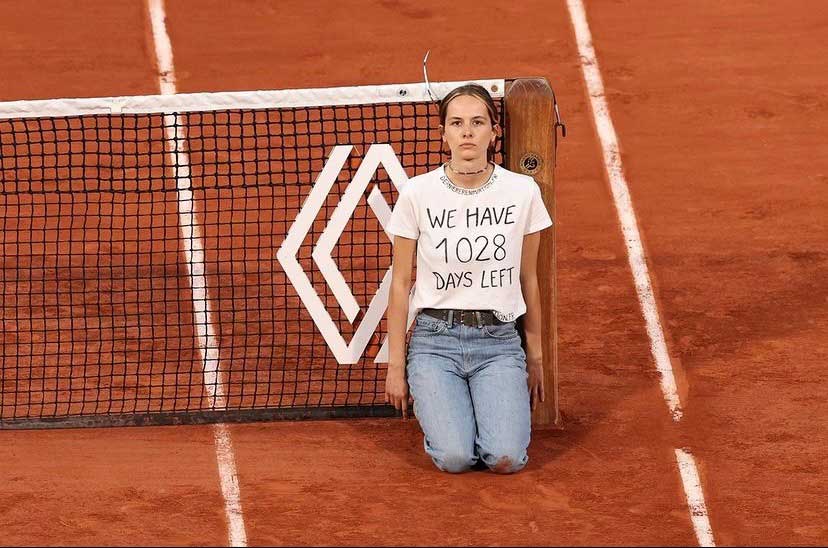
Letzte Generation is a civil disobedience movement that engages in pacifist resistance. We carried out road blockades, the effectiveness of which is enhanced by the fact that some of the activists are glued to the asphalt. Letzte Generation is part of the international A22 Network, which emerged in April 2022. It includes similar campaigns in 11 other countries, such as Just Stop Oil (UK), Declare Emergency (USA), and Dernière Rénovation (FR). We exchange ideas and support each other. These movements reveal their full significance when viewed as a whole—like a network. That’s why I decided to showcase photos from all of them on this page.
Each of us can make a contribution and send a clear signal by changing the way we live. Acknowledging the scale of the crisis gave me strength and was key to building inner resilience.
In 2022, I participated in about ten actions, mostly in Berlin, where I live, but also in Frankfurt, where I worked a few years ago. Like every activist involved in civil disobedience, I stood trial. Of course, a court case is never pleasant, as any conviction poses a burden on my personal future. At the same time, it offered a new opportunity to defend my values and explain the importance of our approach.
Article 20a of the German Basic Law (GG), added in 2002, states:
"The state shall protect the natural foundations of life and animals, also in responsibility for future generations, through legislation and, in accordance with law and justice, through the executive and the judiciary."
By failing to take the necessary measures against climate change, the German government is violating its own law and endangering the livelihoods of future generations and the habitability of the planet.
In the Federal Republic of Germany, the right to resist is enshrined in Article 20, Paragraph 4 of the Basic Law (GG). According to Article 20, Paragraph 4 GG, all Germans have the right to resist anyone who seeks to abolish the democratic order if no other remedy is possible. In the context of climate change, not only are the conditions for the application of Article 20(4) met, but everyone's responsibility is also engaged.
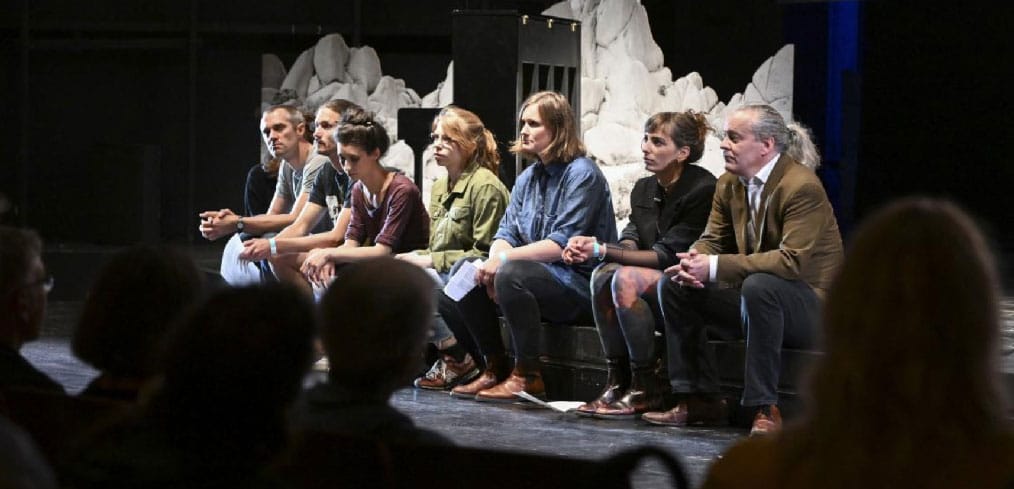
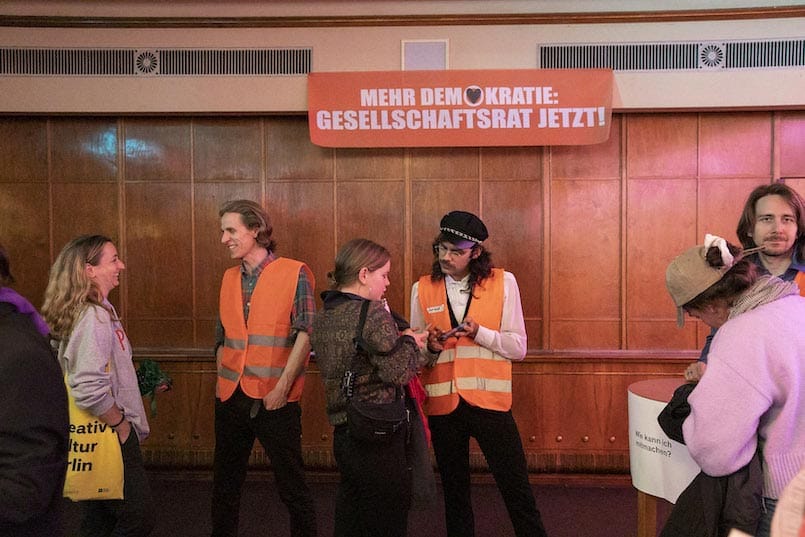
As the campaign progressed, so did the repression. At the same time, many organizations expressed solidarity with the movement, recognizing that the German state is failing to keep its promises and that the actions of activists are appropriate to counter political inaction. In this context, we were invited to the Volksbühne Berlin, where we organized an evening with actors. We read testimonies from activists around the world, from people in the Global South already affected by global warming, and demonstrated how civil disobedience can serve as a lever for the necessary societal changes.
Beyond my involvement with Last Generation, I have been active with Parents for Future and maintain contact with numerous groups within and outside the For Future network. Activist work thrives on constant exchange, and the efforts of countless associations and NGOs are essential. I am deeply grateful to everyone who is committed.
Yet ecological engagement is not just about politics. It is also a matter of human relationships. Because it most strongly shapes our daily lives, the local level is an important arena where people can have an influence and bring about concrete change. Talking to neighbors, planting a small garden, organizing in small groups to solve practical problems—these are essential building blocks for shaping society. Rethinking how we use public space means being present: in our homes, in our streets, in our neighborhoods.
Read more here:
>>> 27.06.2023, DNA, France
>>> 23.05.2023, T-online, Germany
>>> 05.06.2022, Tagesspiegel, Germany